
Responsive Alternative and Competitors in 2026: How New Tools Are Transforming RFPs
Responding to RFPs can consume hours of your day, revising old content, checking consistency, and coordinating inputs across multiple contributors

Are you still relying on outdated tools to manage your RFP responses? If so, you're likely facing the same challenges as many sales teams: slow, manual processes, inconsistent proposal quality, and a lot of wasted time. While Responsive has been a staple for years, it’s no secret that legacy tools often struggle to keep up with the speed and precision modern teams need.
That’s why more and more vendors are seeking alternatives. A growing number of teams are turning to AI-powered RFP software like Inventive AI, along with other innovative tools, to simplify their processes and boost efficiency.
In this blog, we’ll take a closer look at the top alternatives to Responsive, highlighting the areas where it falls short and why these newer tools are becoming the go-to choice for vendors.
Also Read: How to Develop Effective RFP Win Themes for Proposal Success
Key Takeaways
- As a legacy tool, Responsive struggles with slow, manual processes, inaccurate responses, and limited customization.
- Alternatives Available: Tools like Inventive AI lead the market with advanced AI-powered automation and real-time insights, while Loopio and Tribble offer content management and collaboration.
- Where Responsive Fails: Inventive AI offers 90% faster response drafts, higher accuracy (95%), and a centralized content hub for easy access to the latest responses.
- Factors to Consider: When choosing an alternative, consider AI-powered automation, smooth collaboration, content management, and ease of use.
- Inventive AI automates tasks, ensures accurate, tailored proposals, integrates with collaboration tools, and boosts win rates by 50%.
Discover the Top 8 Alternatives to Responsive in 2026
As businesses seek better ways to handle RFPs, several tools have emerged as alternatives to Responsive. Each offers unique features, but not all are equipped to meet the demands of modern sales teams.
Below is a comparison of the leading competitors, highlighting what sets them apart and where they fall short.
Inventive AI
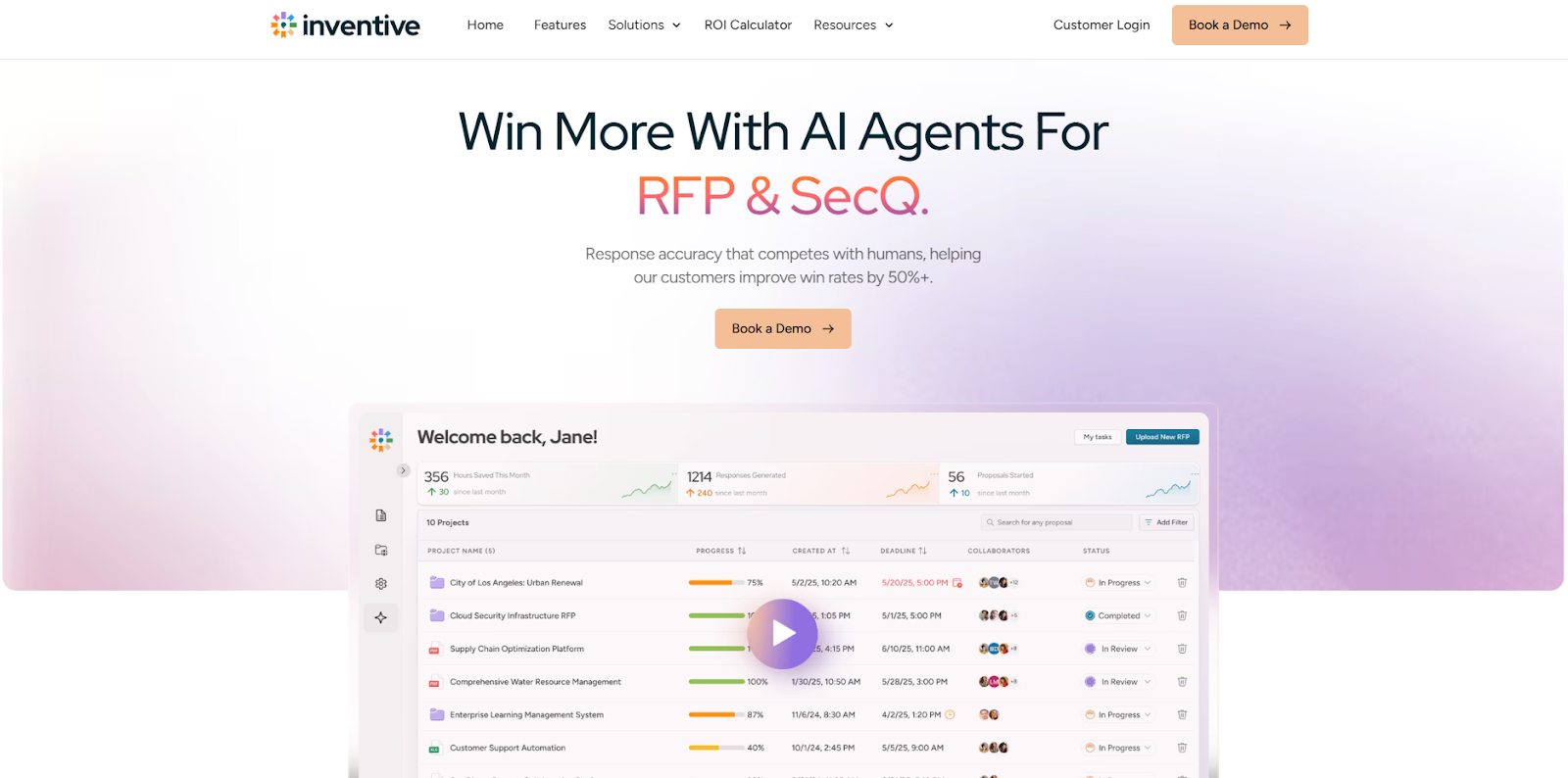
Inventive AI stands as the industry leader in the RFP automation space, offering hyper-contextual, real-time insights that help vendors craft tailored proposals quickly and accurately.
Built with AI at its core, Inventive AI delivers unmatched efficiency in responding to complex RFPs and security questionnaires, empowering teams to win up to 50% more deals with faster, higher-quality submissions.
Unlike traditional tools like Responsive, which still rely on manual processes, Inventive AI uses AI-powered automation to drastically reduce time spent on drafting responses while ensuring the highest standards of proposal quality. It is the ultimate solution for vendors looking to enhance their RFP process with real-time intelligence.
Key Features
2x Better Response Quality
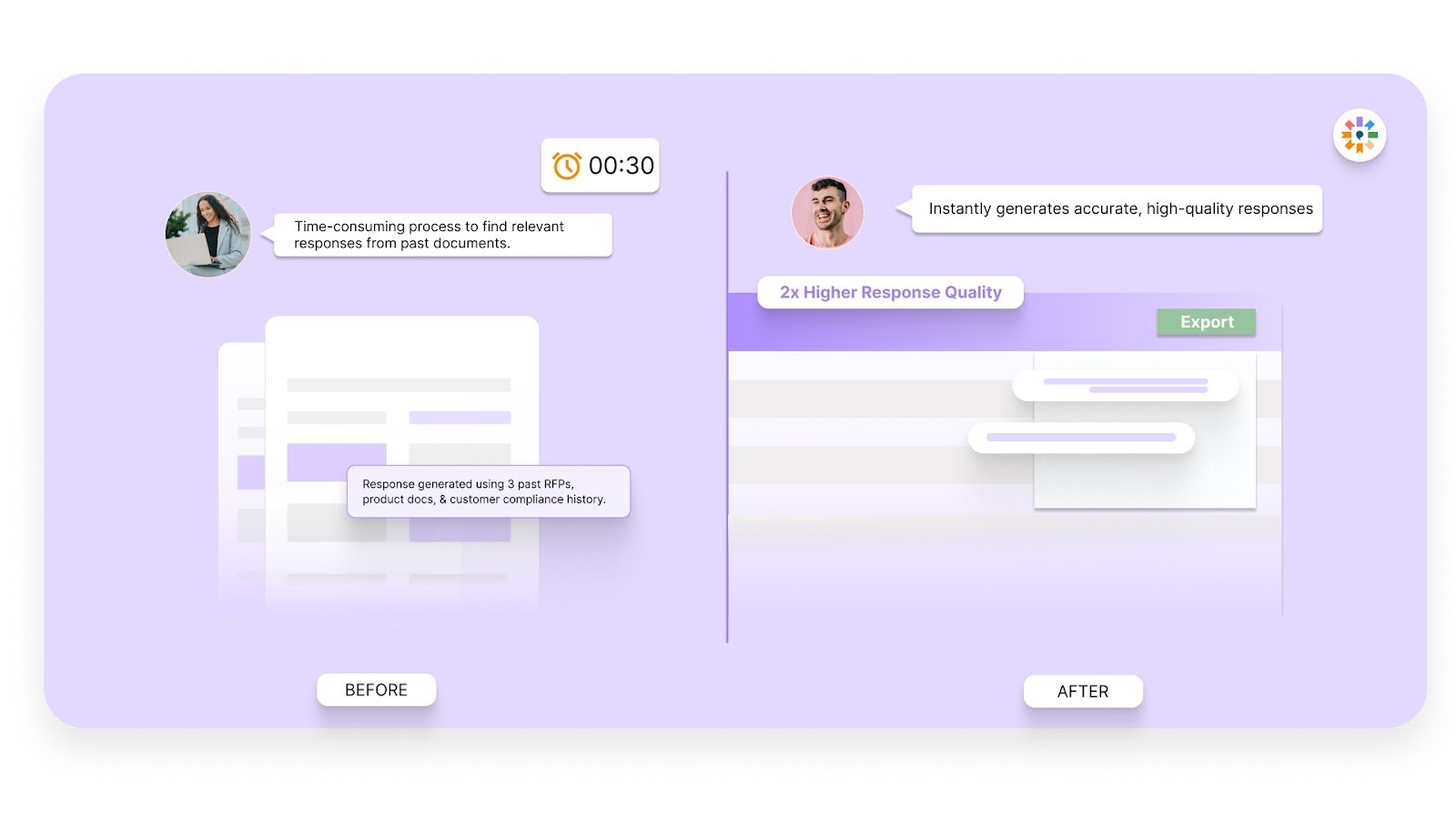
Inventive AI enables teams to create higher-quality proposals in half the time, thanks to its AI-driven accuracy. The system ensures that every response is hyper-contextual, ensuring relevance and precision in every proposal.
Context Engine for Accurate, Tailored Responses
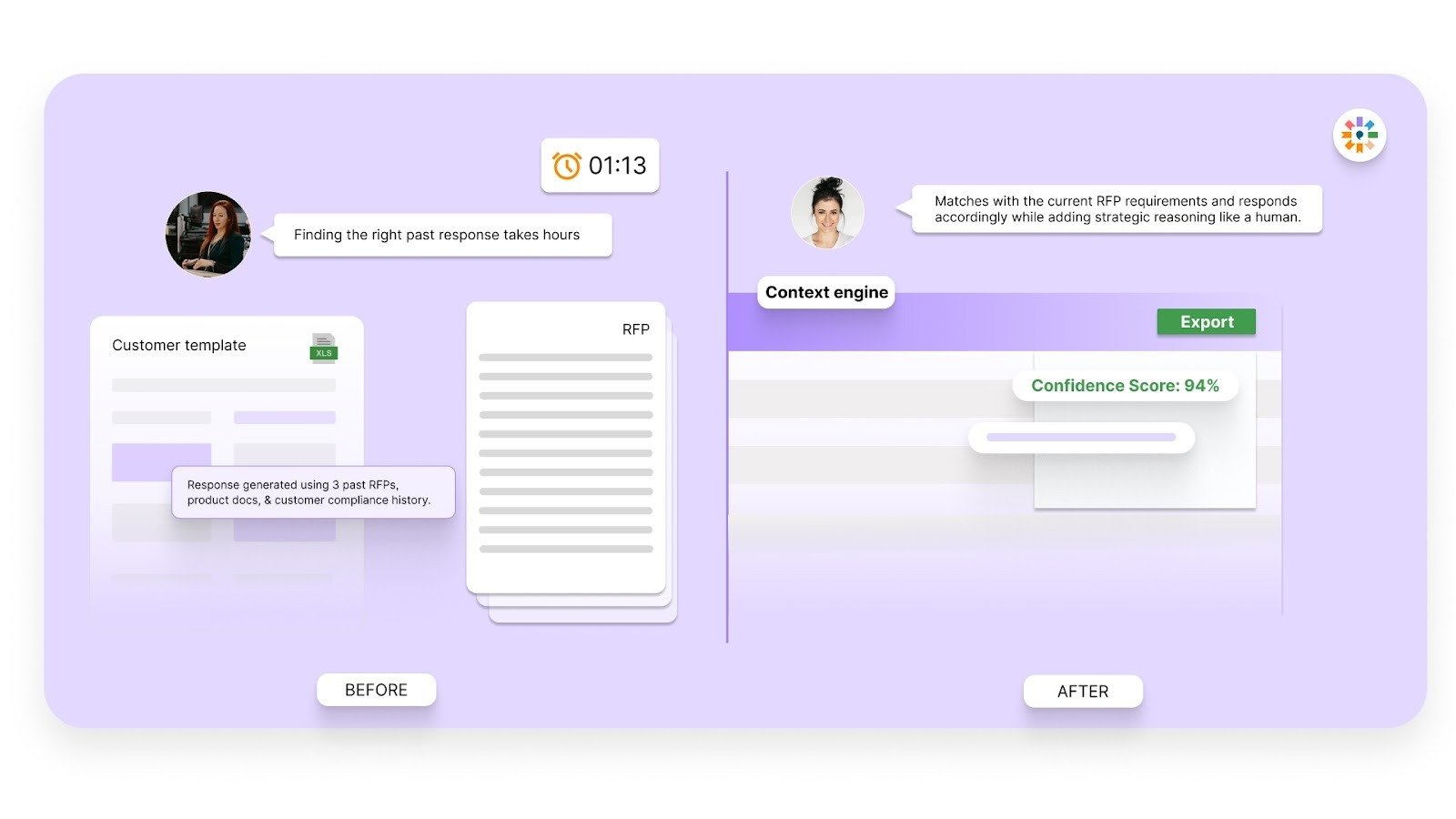
The powerful Context Engine of Inventive AI ensures that every proposal is not only accurate but tailored to the specific needs of each client. Whether you’re responding to an RFP or security questionnaire, Inventive AI aligns responses with the buyer’s precise requirements, ensuring a higher chance of winning the bid.
Instant Conflict Detection
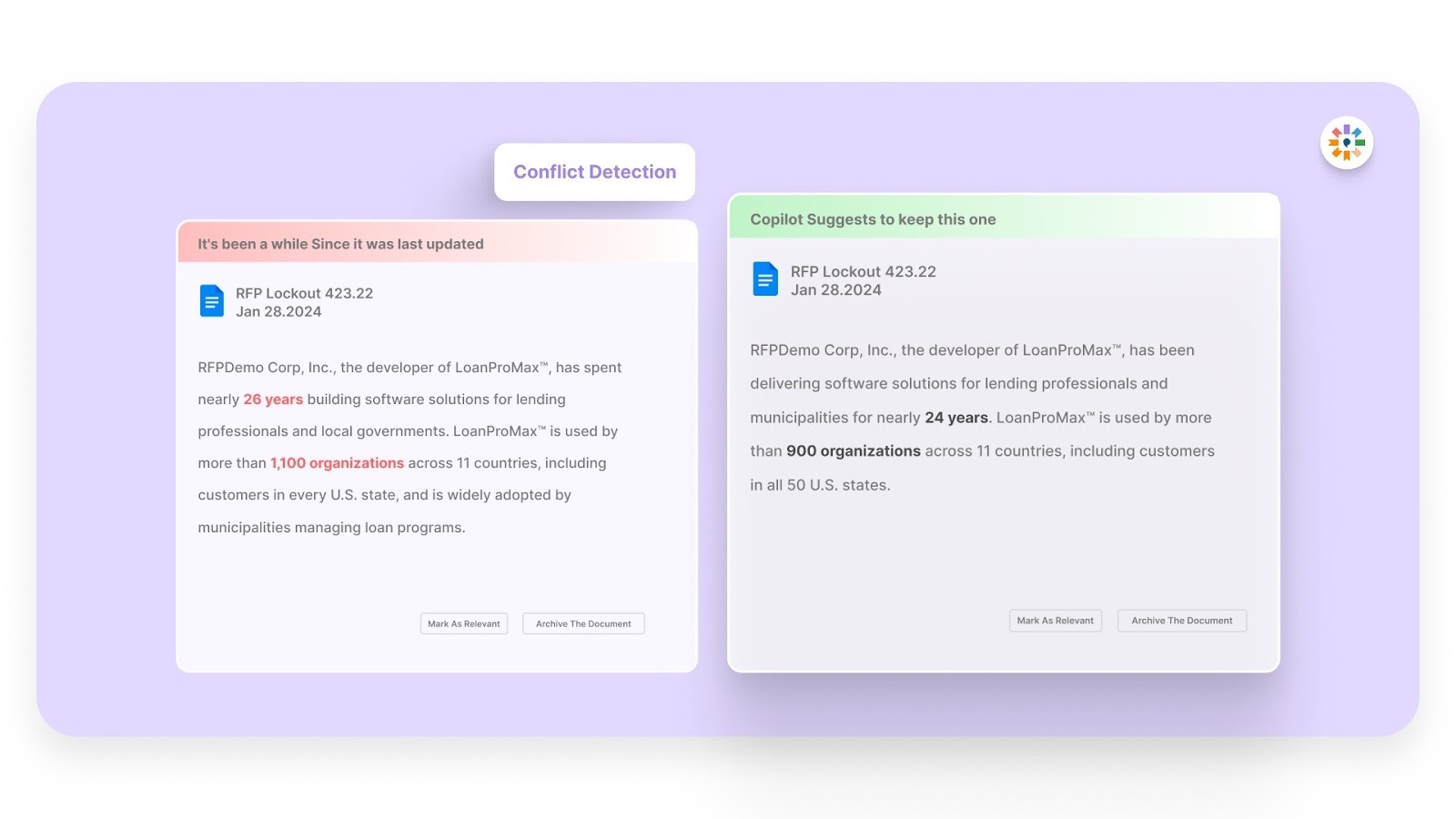
Inventive AI is equipped with real-time conflict detection that automatically identifies discrepancies or conflicts in your proposals, allowing your team to address issues before submission. This results in higher proposal integrity and fewer revisions.
Real-Time Outdated Content Detection
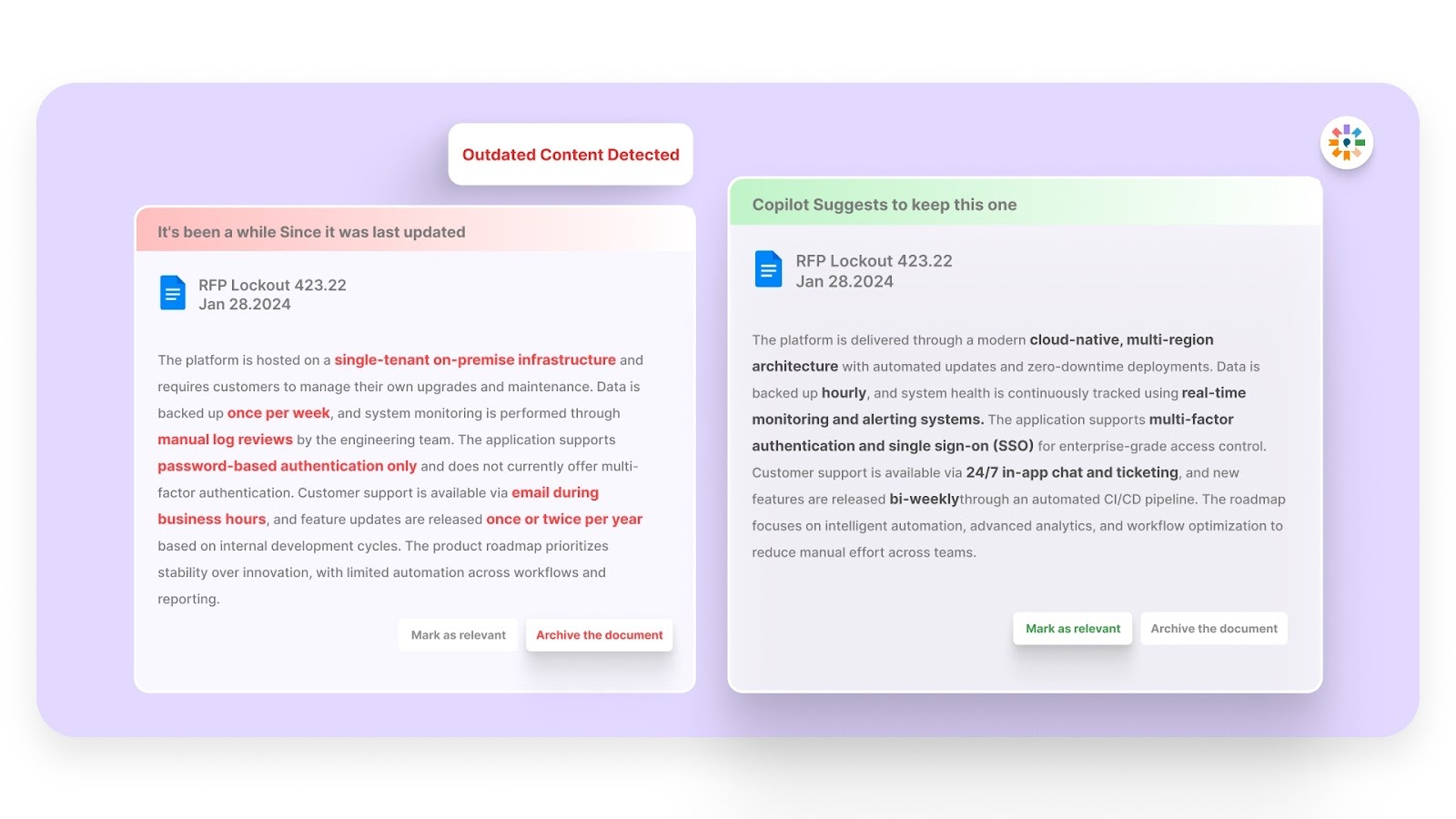
The platform actively scans your proposals for outdated content, ensuring that only up-to-date and relevant information is used in your responses. This feature mitigates the risk of submitting proposals with outdated data, which could harm your credibility.
#1 Ranked Ease of Use
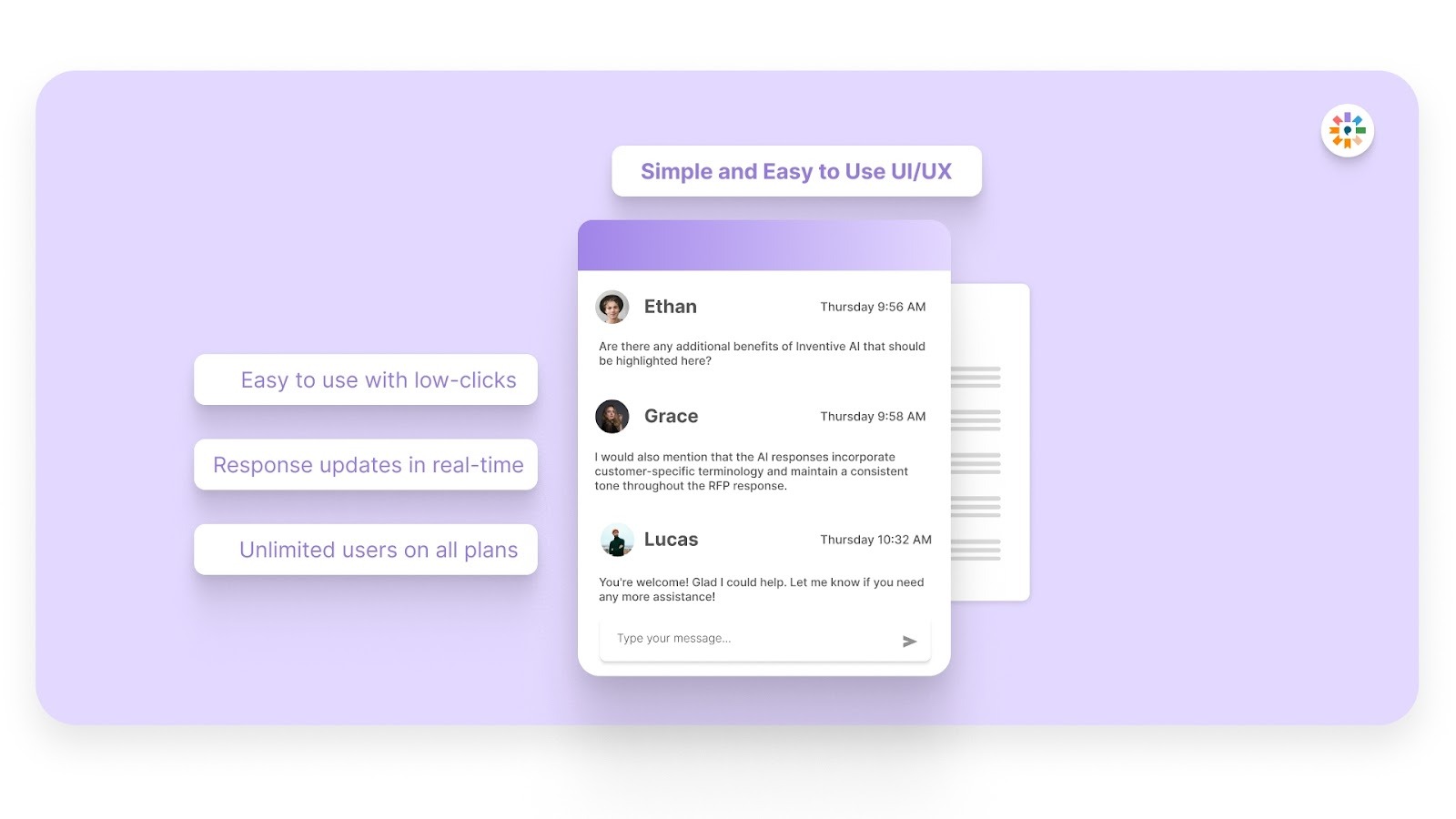
Most software feels like a chore to learn, but Inventive AI is built to be picked up in minutes, not weeks. It’s why we’re ranked #1 for ease of use on G2 and see a 100% adoption rate. Your team will actually want to use it because it simplifies their day rather than adds to the digital clutter.
Generate Narrative-Style Proposals
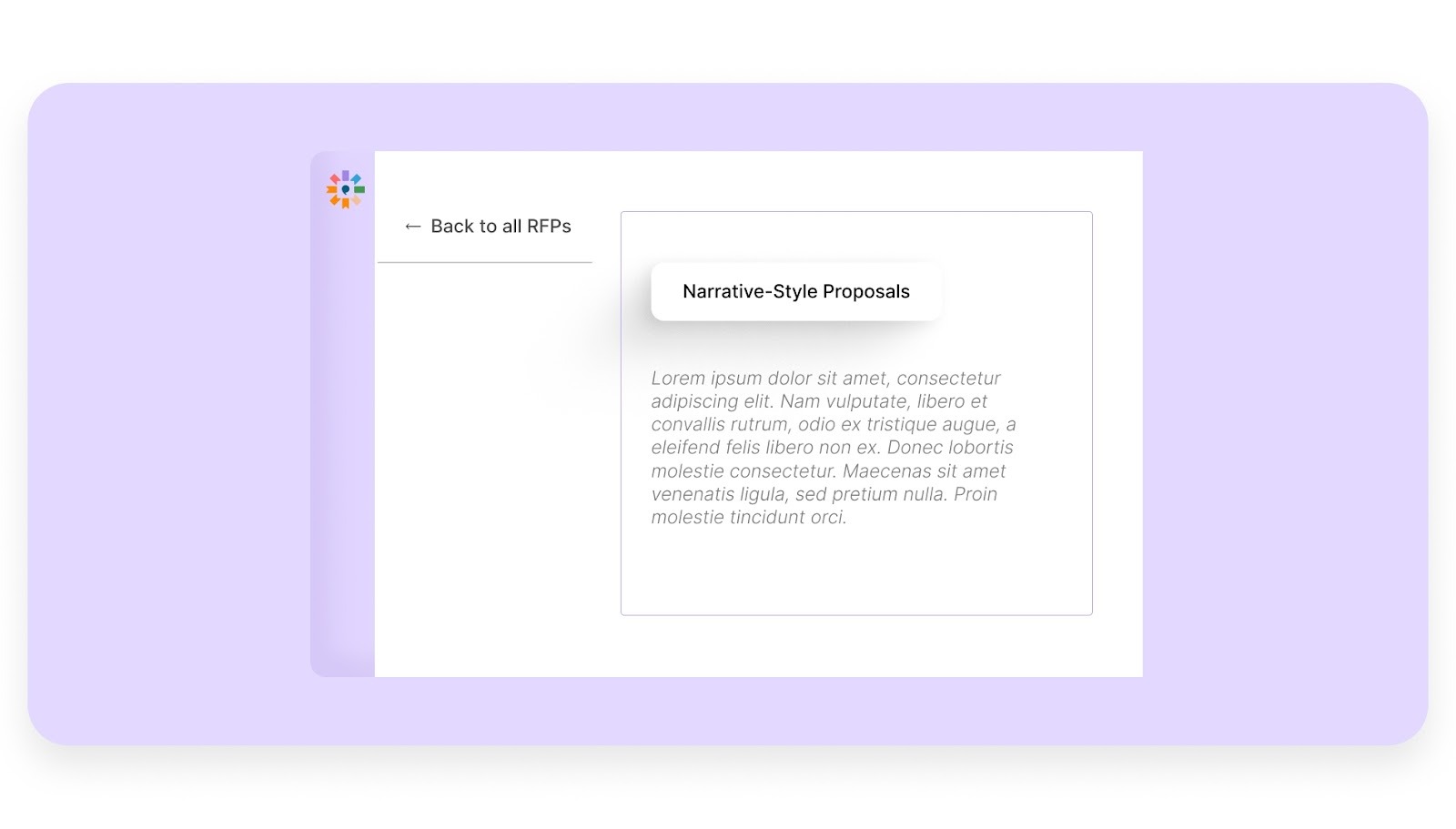
Unlike traditional RFP response tools that use rigid templates, Inventive AI enables the creation of narrative-style proposals. These proposals are more engaging and persuasive, setting you apart from competitors who rely on generic, formulaic responses.
What Makes Inventive AI Stand Out
Faster RFP Responses That Improve Win Rates
Inventive AI helps teams generate first-draft RFP responses up to 90% faster, dramatically reducing the time spent on manual drafting and content searches. For example, in one case study, Insider achieved 90% faster RFP responses and a 50% increase in win rates after adopting Inventive AI.
Increased Proposal Accuracy
With a 95% accuracy rate, Inventive AI ensures that your proposals are precise and free from human error. This not only improves client trust but also increases proposal success rates, giving your team a competitive edge.
Complete Integration With Team Collaboration Tools
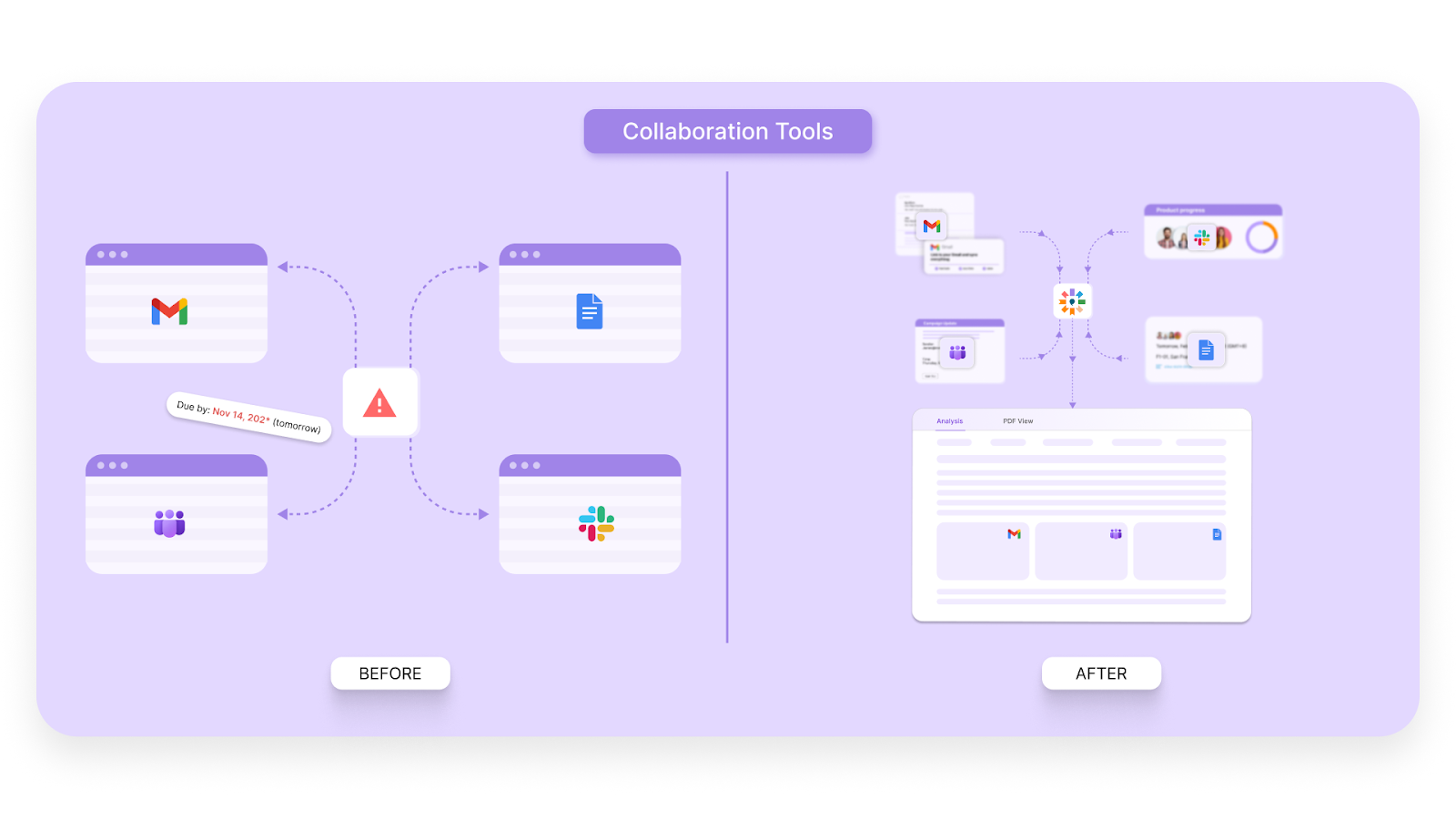
Integration with Slack, Microsoft Teams, and other collaboration platforms ensures smooth communication and real-time updates, making it easy for teams to collaborate on proposals without delays.
Simple UI/UX With Fast Team Adoption
Inventive AI is designed to be extremely easy to use, which is why it consistently ranks among the easiest RFP tools to adopt on G2.
Teams don’t need weeks of training to get started. With a clean interface and intuitive workflows, users can quickly generate responses, review answers, and collaborate across departments without navigating complicated menus or workflows.
The Limitations of Inventive AI
- Limited Analytics
While Inventive AI excels in automation and content management, its analytics capabilities are somewhat limited compared to some competitors.
Pricing
Best For
- Startups: Companies looking to streamline their RFP response process with minimal manual effort while maintaining quality.
- Enterprise Solutions: Large organizations needing fast, accurate responses to high volumes of RFPs across different departments.
- Sales Teams: Teams looking to improve win rates by automating RFP responses and ensuring the highest proposal quality.
- Proposal Managers: Professionals who need to organize and manage RFP content efficiently while reducing the time spent on manual work.
- Revenue Teams: Teams focused on closing deals faster with smarter, AI-driven insights to respond to RFPs in record time.
Ratings and Reviews
- Rating: 5/5
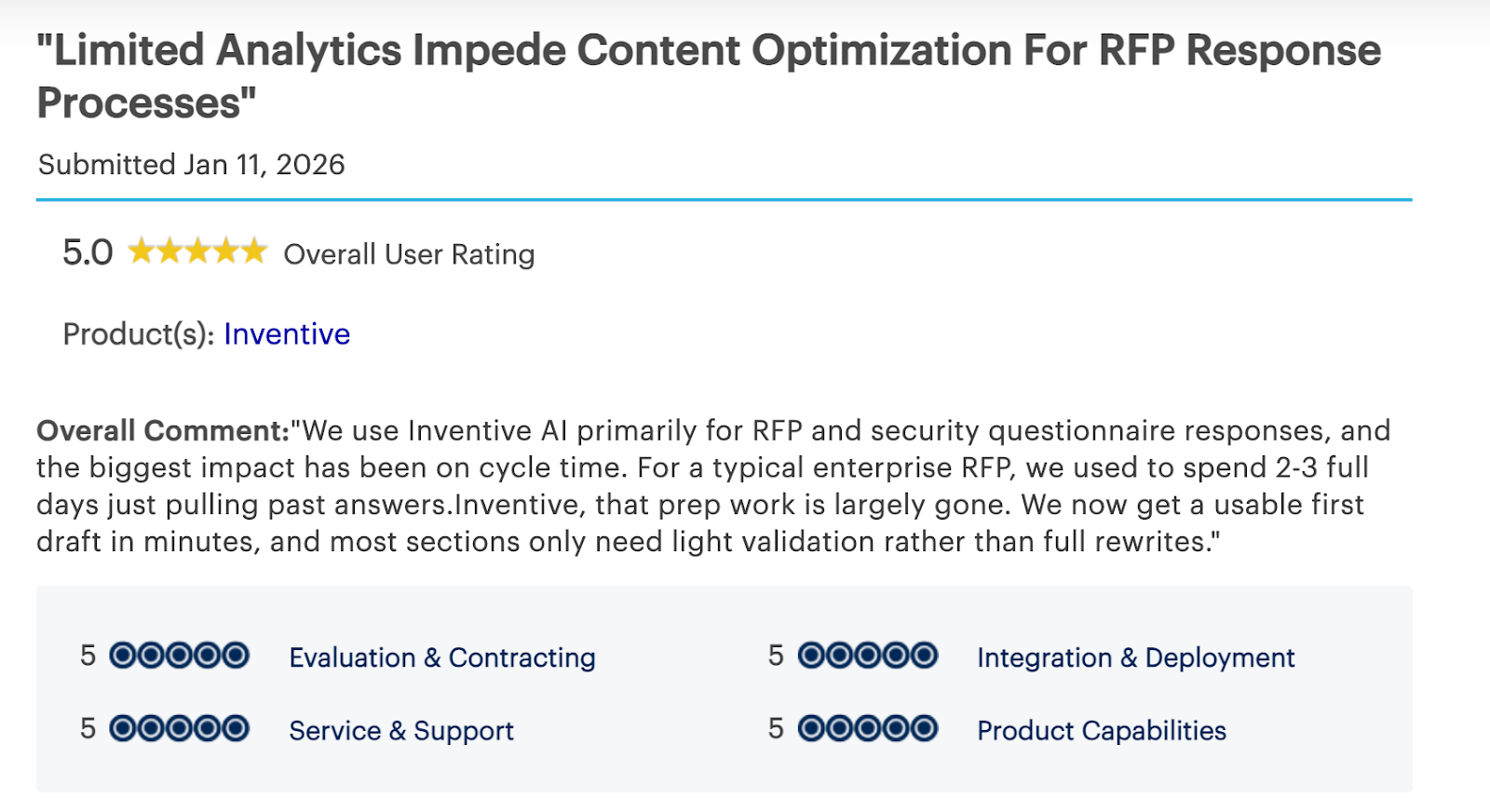
Inventive AI is the industry leader in RFP automation. It offers a complete solution for teams looking to speed up their response process, improve accuracy, and collaborate more effectively.
Loopio
It is designed to help teams automate the proposal process. It enables collaboration, content management, and proposal tracking, making it a great solution for teams looking to improve their RFP response time and accuracy. Loopio is ideal for teams needing a centralized place to store responses and simplify their workflows.
Key Features
- Centralized Content Library: Its shared library stores RFP responses, standard content, and proposal templates in one place, making it easier for teams to access and reuse content for new proposals.
- Automated Response Generation: The platform offers automatic content suggestions based on previous RFPs. This helps teams quickly generate draft responses, reducing manual work and speeding up the initial stages of proposal creation.
- Collaboration Tools: Teams can work together in real time, track changes, assign tasks, and review content. These collaboration features make it easier to stay aligned and improve efficiency during the proposal process.
- Integration with CRM and Project Management Tools: It integrates with CRM systems like Salesforce and project management tools like Asana and Slack. This helps teams stay updated on deadlines and tasks while ensuring smooth collaboration.
What Makes Loopio Stand Out
- Ease of Use: Its user-friendly interface makes it easy for teams to get started without needing extensive training. It’s simple and clean, so users can quickly navigate the platform and focus on their tasks.
- Saves Time: By automating content generation and response drafting, Loopio saves hours of manual work, allowing teams to focus on improving proposals rather than creating them from scratch.
- Intuitive Design: The platform’s straightforward design ensures that users can easily find what they need and get to work without unnecessary complications.
The Limitations of Loopio
- Missing Features: It lacks some advanced features, such as support for large file uploads or greater customization options. This can be limiting for teams with more complex needs.
- Search Function Limitations: Its search functionality can sometimes be inaccurate. Teams may find themselves sifting through irrelevant results when searching for specific content, which can waste valuable time and frustrate users.
- Customization Limitations: Its customization options are limited, which can be frustrating for teams that need highly tailored proposals. More flexibility in this area would help improve its effectiveness for complex RFPs.
- Inaccurate Responses: The platform sometimes produces responses that are either irrelevant or not entirely accurate. While the content suggestions can save time, they still require manual review and adjustments to ensure their relevance and accuracy.
- Formatting Issues: Some users have reported occasional formatting issues when exporting proposals. This can result in inconsistencies in proposal layouts, requiring teams to spend extra time correcting the formatting.
Pricing
Best For
- Teams that need a centralized content management system and are looking for a time-saving solution for proposal creation.
- Mid-sized companies or teams that don’t need extensive customization options but want an easy-to-use tool to organize responses and collaborate.
- Businesses that require basic automation for RFP responses and content reuse.
Ratings and Reviews
- Rating: 4.4/5
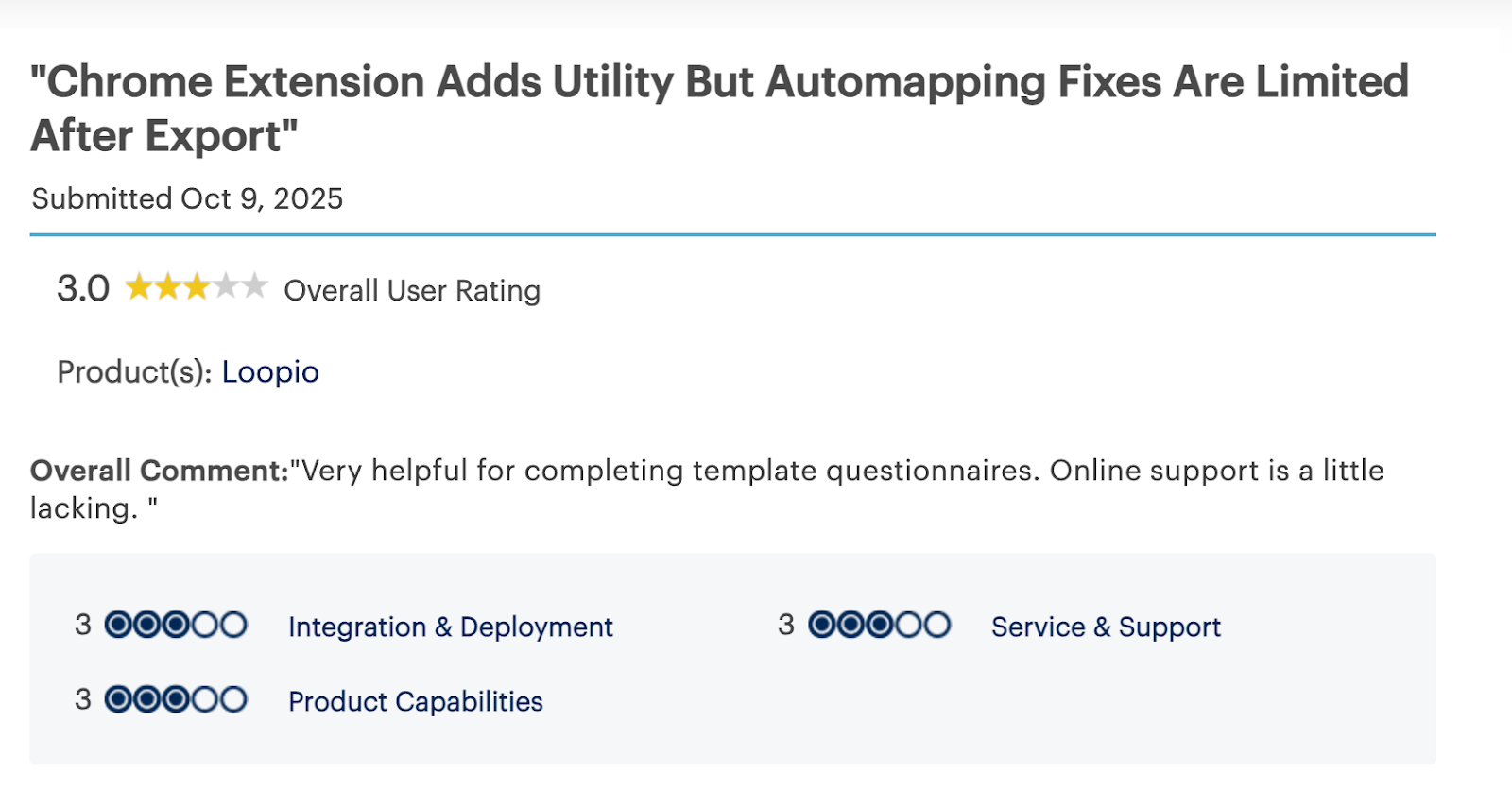
Loopio is a solid choice for teams looking for content management and collaboration tools, but its limited customization and response accuracy could be a dealbreaker for teams handling complex, high-stakes proposals.
Suggested Alternative: Inventive AI
For teams seeking advanced automation and AI-driven accuracy in RFP responses, Inventive AI offers a comprehensive solution that improves response quality and speed, providing tailored content and real-time insights that Loopio lacks.
Qvidian
It is an enterprise-level proposal automation tool that helps teams manage large volumes of content and generate accurate responses. It’s designed to streamline the proposal creation process, focusing on organizing templates and providing collaboration features for large teams.
Key Features
- Template Library: The platform includes a wide variety of customizable templates tailored for different industries and clients. These templates save teams valuable time by providing a starting point for proposals, which can then be personalized to fit specific requirements.
- Collaboration and Workflow Tools: It enables smooth team collaboration by allowing multiple users to work on the same proposal simultaneously. The platform also includes task management and feedback tracking features to ensure everyone stays aligned and deadlines are met efficiently.
- Integration with CRM and Document Management Systems: It integrates with popular CRM systems (such as Salesforce) and document management tools, making it easy to keep all proposal-related information in sync across various platforms.
What Makes Qvidian Stand Out
- Efficient Content Management: The platform’s content management system simplifies the organization and storage of proposal materials. Teams can easily find and reuse proposal content, saving time and maintaining consistency across different proposals.
- Time-Saving Features: By automating response generation and reusing existing content, it reduces the time spent on manual work. This allows teams to focus more on customizing responses and refining proposals, rather than starting from scratch.
- Template Flexibility: Its wide range of templates can be easily customized for various proposal types. The platform’s flexibility allows teams to quickly create tailored proposals without needing to spend time on formatting or layout.
The Limitations of Qvidian
- Slow Performance: Some users report that the tool can be slow, especially when handling large proposals or working with multiple documents at once. This can delay the proposal process and reduce efficiency when dealing with time-sensitive submissions.
- Non-Intuitive Interface: The platform’s interface can be difficult to navigate, particularly for new users. Its design is not as intuitive as some other tools, which may require additional time to learn how to use the system effectively.
- Steep Learning Curve: It offers a complex set of features, and it can take time to become familiar with the platform. New users might find the learning curve steep, requiring additional training or support to get up to speed.
- Update Issues: Its software updates can cause malfunctions or slowdowns, affecting the overall stability and reliability of the platform. These issues can be disruptive, especially when teams are working under tight deadlines.
Pricing
Best For
- Enterprises or teams that need advanced content management and a comprehensive proposal creation system.
- Teams with a high volume of proposals to manage and that need collaboration tools to track progress.
- Businesses that need templates and customizations for specific industries or proposal types.
Ratings and Reviews
- Rating: 4.7/5
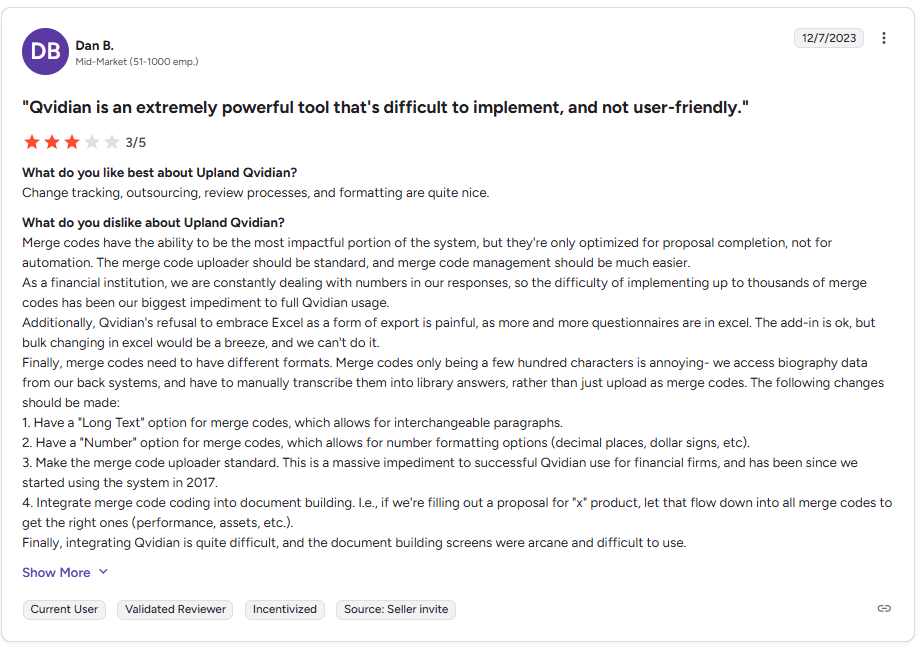
It is best for teams looking for an enterprise solution to handle content-heavy proposals, but it struggles with slow performance and a difficult user interface.
AutoRFP
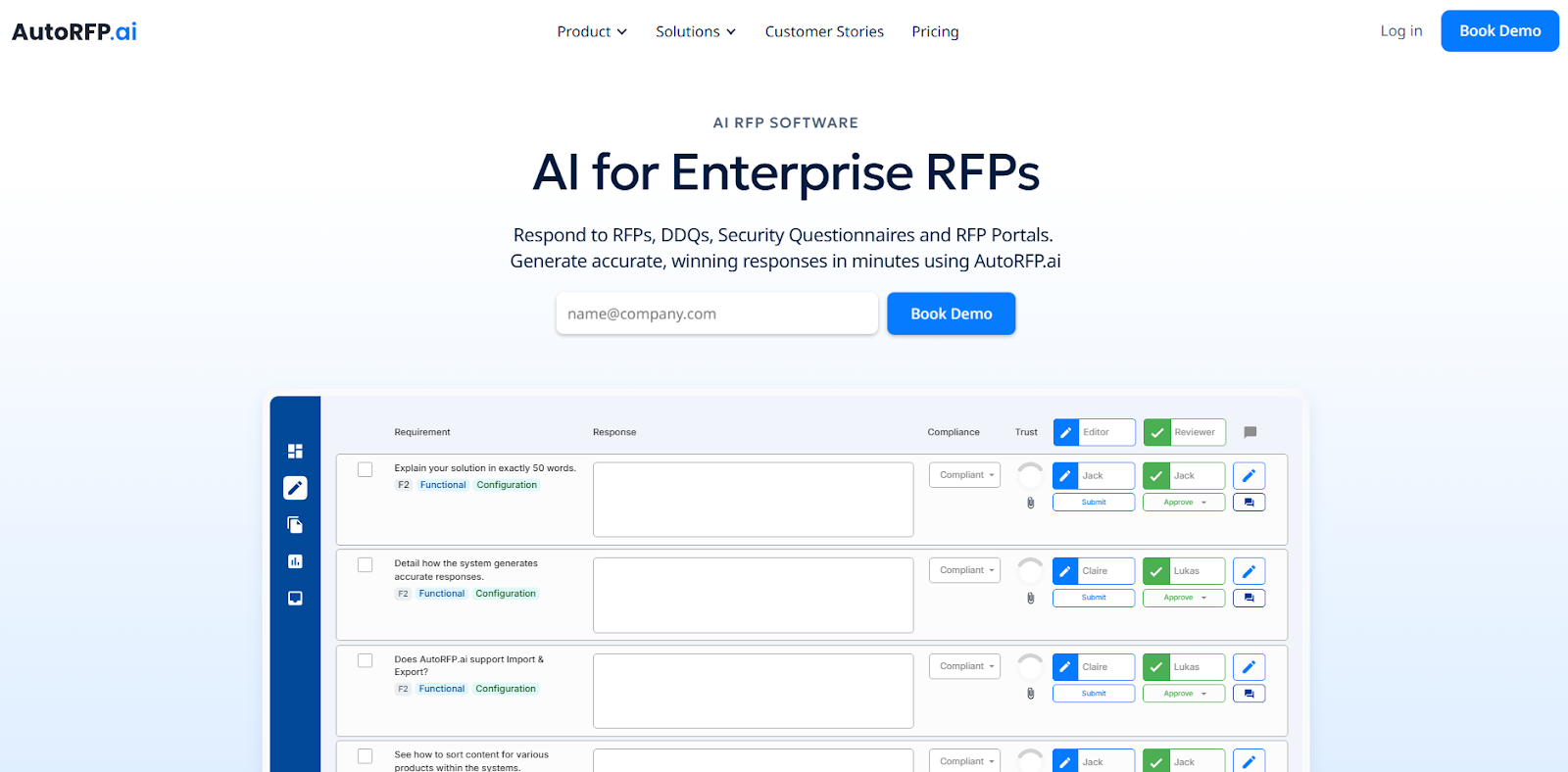
It offers a collaborative, AI-powered solution to help teams manage and automate the RFP response process. It focuses on improving team collaboration while simplifying the proposal creation process through automation.
Key Features
- Collaborative Platform: It enables real-time collaboration, allowing multiple team members to work on the same proposal simultaneously. With instant updates, teams can stay aligned throughout the proposal process, ensuring everyone is on the same page and that changes are reflected in real-time.
- Automated Response Generation: The platform automates the process of generating responses based on past data, speeding up the creation of proposals. By reusing content from previous RFPs, it reduces the time spent drafting responses, enabling teams to focus on customization and improving the quality of submissions.
- RFP Tracking and Analytics: It helps teams stay on track by providing tools to monitor the progress of proposals and track deadlines. It also offers analytics to assess past performance, allowing teams to learn from previous RFPs and improve future submissions.
What Makes AutoRFP Stand Out
- Smooth Team Collaboration: Its real-time collaboration features ensure that teams can work together efficiently, regardless of location. This makes it easier to coordinate tasks, update content, and keep everyone on track during the proposal process.
- Time-Saving: The platform automates many parts of the RFP process, helping teams generate proposals faster and more accurately. By reducing manual work, it speeds up the response time, enabling teams to submit high-quality proposals with less effort.
The Limitations of AutoRFP
- Platform Not Intuitive: Its interface can be difficult for new users to navigate. The platform's layout is not as user-friendly as some other tools, which can slow down onboarding and require additional training for new team members.
- Limited Advanced Proposal Intelligence: While AutoRFP provides basic automation for response generation, it lacks deeper AI capabilities that improve proposal quality. The platform focuses primarily on drafting responses rather than analyzing the full RFP context, identifying content gaps, or detecting conflicting answers.
- Difficult Learning Curve: With numerous features and a complex interface, it can be challenging to learn. New users often find it difficult to get up to speed without extensive training, which can delay adoption and reduce overall productivity.
- Feature Usability Lacking: Some users report issues with certain features not functioning as expected, such as plug-ins and navigation tools. These technical glitches can disrupt the proposal creation process and require additional troubleshooting.
Pricing
Best For
- Teams that prioritize collaboration need a tool that helps simplify team communication.
- Businesses are looking to automate RFP responses without needing advanced customization or a user-friendly design.
- Teams with basic RFP response needs that can tolerate a steeper learning curve for collaboration.
Ratings and Reviews
- Rating: 4.9/5
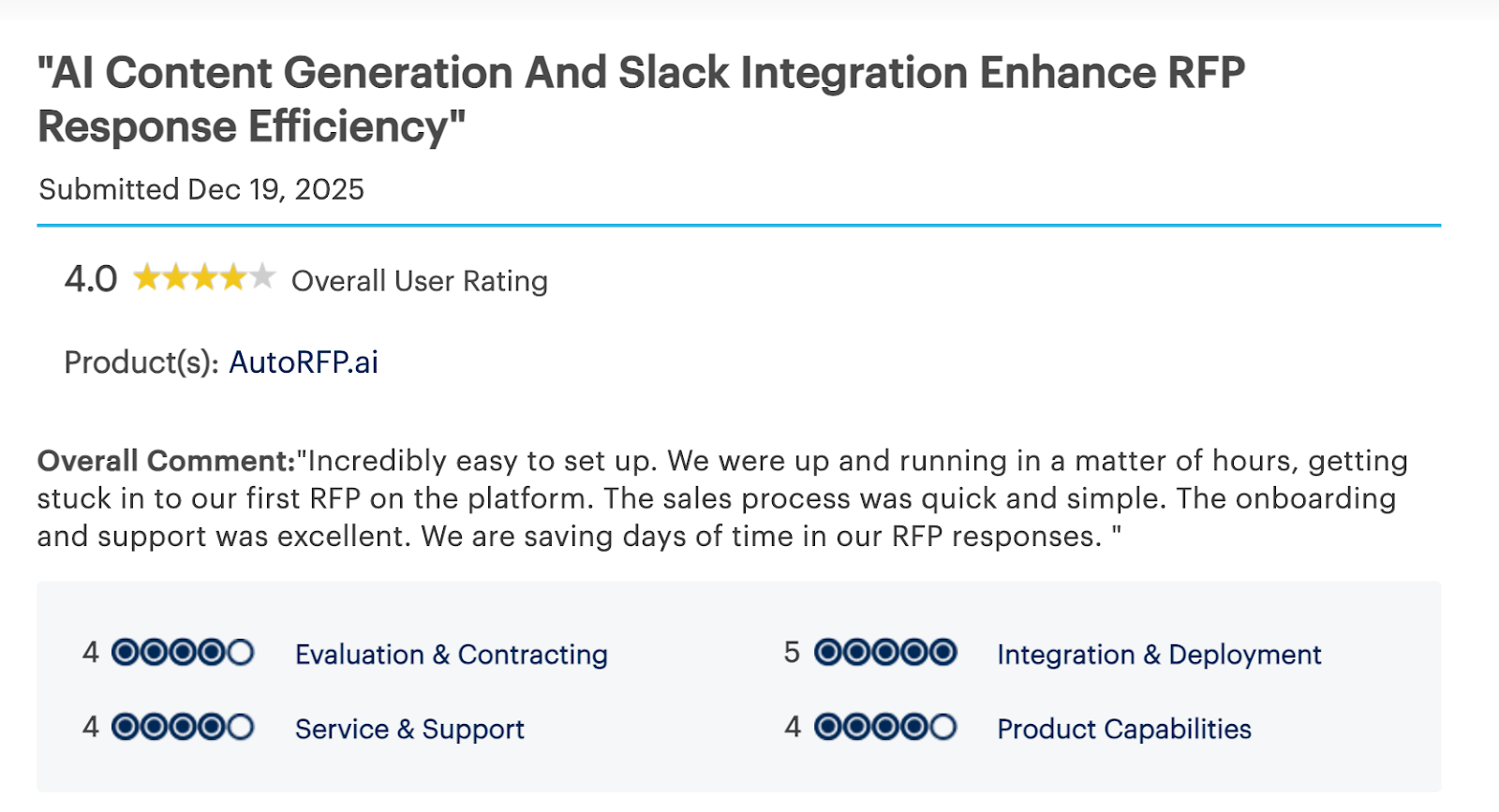
It is a good option for teams focusing on collaboration, but its interface issues and difficult usability make it a less ideal choice for teams needing speed and simplicity.
Autogen AI
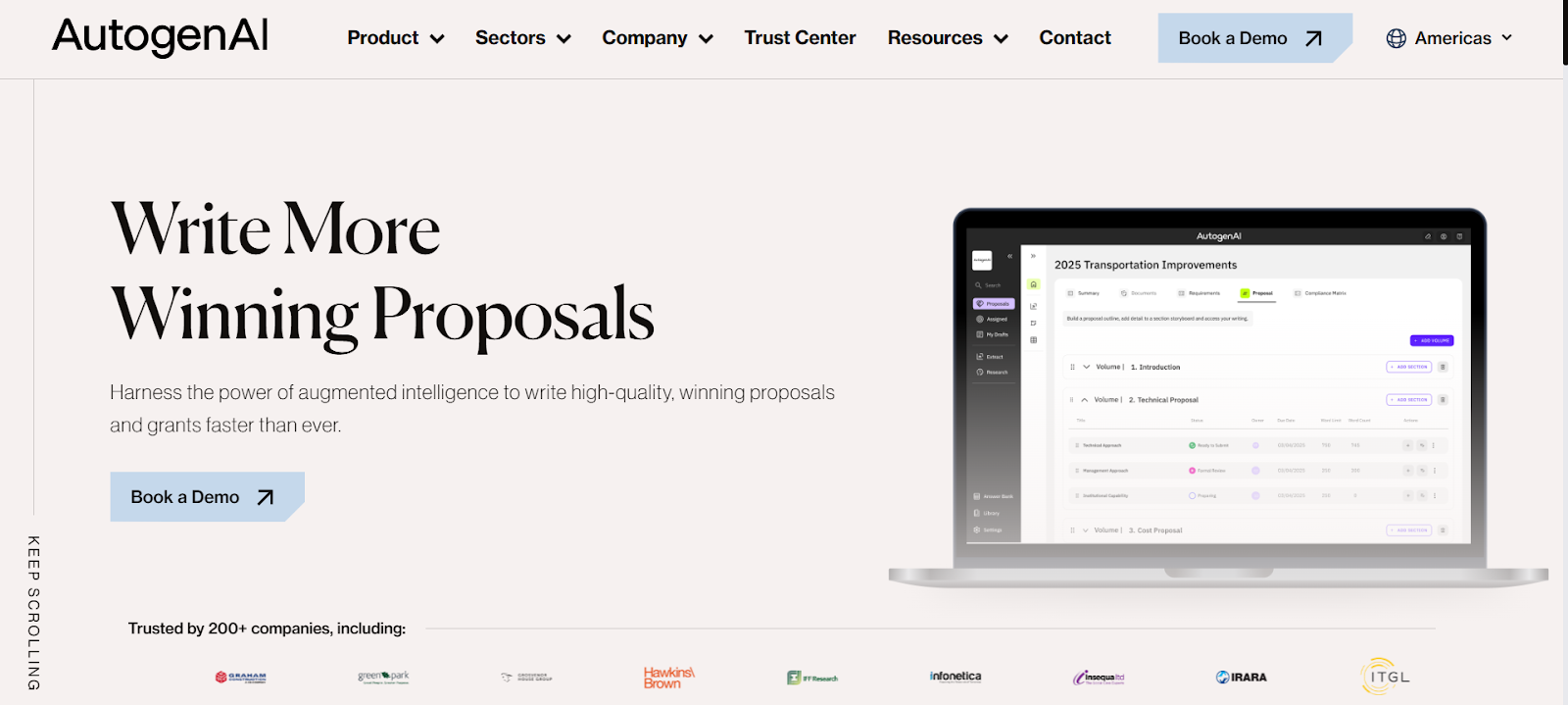
It is an AI-powered proposal automation tool designed to enhance bid writing and integrate easily into existing business workflows. It aims to help teams create accurate and high-quality RFP responses more efficiently by leveraging machine learning and automation.
Key Features
- AI-Powered RFP Response Generation: It uses advanced artificial intelligence to generate high-quality, contextually relevant RFP responses based on historical data and previous proposals. This AI-driven approach speeds up the drafting process and ensures that responses are tailored and accurate.
- Integration with Existing Resources: The platform integrates smoothly with your existing business tools, such as CRM systems, cloud storage, and document management platforms. This makes it easy for teams to adapt without disrupting their current workflows.
- Collaborative Bid Writing: It allows multiple team members to collaborate on proposals in real time. This feature simplifies teamwork and makes it easier for teams to work together efficiently.
- Customizable Templates: The platform offers a variety of templates that can be easily customized to meet the specific needs of different RFPs. These templates save time on formatting and allow teams to focus on content creation rather than adjusting layout or design.
What Makes Autogen AI Stand Out
- Helpful Features: The integration with existing business tools and customizable templates helps streamline the proposal creation process. These features save time and effort, allowing teams to focus more on refining their responses.
- Good Customer Support: It is known for its good customer support. The platform’s team is highly responsive and provides assistance to users when they face challenges.
The Limitations of Autogen AI
- Steep Learning Curve: While it offers a range of advanced features, new users often find the platform difficult to navigate due to its complexity. The steep learning curve can slow down the adoption process, requiring more training and support to get the most out of the platform.
- Non-Intuitive Interface: The user interface can feel overwhelming and is not always intuitive, especially for users who are unfamiliar with the platform. This can lead to frustration for teams that are trying to quickly familiarize themselves with the system.
- Frequent Changes: The tool undergoes frequent updates, which can create confusion. Changes to the interface or features may disrupt users’ workflows, especially if updates are not well communicated or documented.
- Complex Tools: It offers a wide range of tools and features, but this can be overwhelming for users. Some struggle to fully understand the platform's full potential, particularly when it comes to the complexity of its features and unclear terminology.
Pricing
Best For
- Teams looking for AI-powered proposal automation with emphasis on bid writing.
- Businesses that require a collaborative platform to manage multiple team members working on proposals simultaneously.
- Organizations need integrations with existing resources for a smooth workflow.
Ratings and Reviews
- Rating: 4.4/5
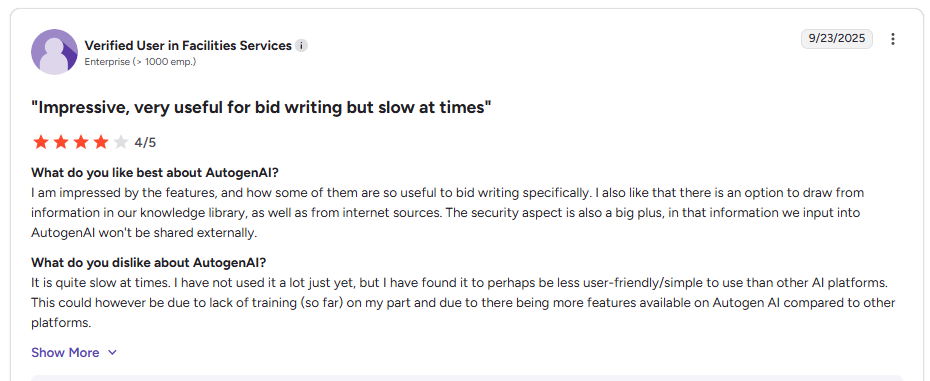
It offers strong AI-powered features for proposal automation, but its learning curve and non-intuitive interface may be a challenge for teams looking for a simpler solution.
Proposify
It is an easy-to-use proposal software designed to help businesses create, send, and track professional proposals quickly. Known for its simplicity and customizable templates, it’s a popular choice for small businesses and startups that need an efficient way to handle proposal creation.
Key Features
- Customizable Proposal Templates: It offers a wide range of customizable templates that can be tailored to fit specific business needs and branding requirements. These templates save time by providing a starting point for proposals, allowing teams to personalize content without starting from scratch.
- Proposal Tracking and Analytics: The platform enables users to track when clients open proposals, providing valuable insights into engagement. Sales teams can monitor how clients interact with proposals, which helps them stay on top of follow-ups and gauge interest more effectively.
- Real-Time Collaboration: It allows team members to work on proposals simultaneously, improving collaboration. This feature ensures that all updates are reflected in real time, keeping everyone aligned and ensuring the proposal is consistent and accurate.
- CRM Integration: It integrates well with CRM systems like HubSpot and Salesforce. This integration helps synchronize data, making it easier to manage client relationships, track proposal status, and keep everything within one system for better workflow.
What Makes Proposify Stand Out
- Intuitive and Easy to Use: Its user-friendly interface makes it easy for teams to get started with minimal training. Its simple design allows users to navigate the platform quickly, so teams can spend more time on the content of proposals rather than learning how to use the tool.
- Smooth Proposal Creation Process: It simplifies the proposal creation process by reducing time spent on formatting and document preparation. With an intuitive page builder and easy-to-edit templates, businesses can create professional proposals in less time.
The Limitations of Proposify
- Editing Difficulties: Some users find the page builder challenging to use, particularly when it comes to editing or modifying proposal content. The lack of flexibility in certain areas can be frustrating for users who need more control over their proposal design.
- Limited Customization: While it offers templates, its customization options for design elements like tables and specific formatting are somewhat restricted. Businesses that need advanced customization for complex proposals may find these limitations a drawback.
- Formatting Issues: Users have reported occasional formatting problems when creating proposals, especially when exporting them to different file formats. These issues may require additional time to correct, impacting the overall proposal preparation process.
- Limited Design Capabilities: Its design options are more basic compared to other proposal tools. Businesses that require advanced proposal designs, such as complex tables, graphics, or customized layouts, may find these design capabilities insufficient for their needs.
Best For
- Small businesses or startups are looking for affordable, easy-to-use proposal software.
- Teams that need customizable templates but don’t require advanced design capabilities.
- Companies that prioritize speed over advanced features and want a quick solution for proposal creation.
Ratings and Reviews
- Rating: 4.2/5
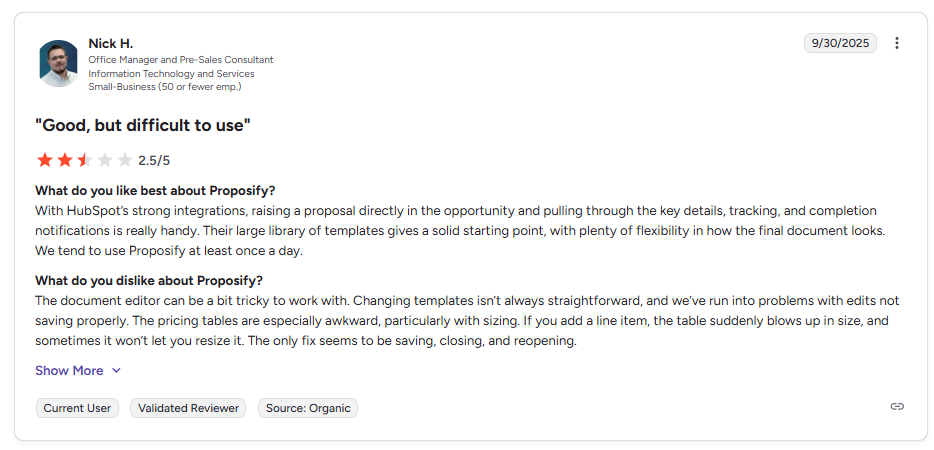
It is a great choice for small businesses needing a simple proposal tool, but its limited customization and formatting issues make it less suitable for teams that need more advanced design capabilities.
Tribble
It is an AI-powered RFP response platform designed to help teams save time and improve the accuracy of their RFP submissions. It focuses on streamlining workflows and organizing proposal content to create a more efficient RFP response process.
Key Features
- Time-Saving Automation: It automates a significant portion of the RFP process, including content generation and document organization. This reduces the time teams spend on manual drafting and ensures that the response creation process is faster and more efficient.
- Collaboration Features: It enables real-time collaboration, allowing multiple team members to work on RFP responses at the same time. This feature makes coordination between team members seamless, ensuring that everyone stays on track and up to date with the latest changes.
What Makes Tribble Stand Out
- Ease of Use: Its simple interface allows for quick adoption, reducing the learning curve. Teams can start using the platform right away without a lot of training, making it an ideal choice for businesses that need to onboard users quickly.
- Search Efficiency: The platform’s search functionality ensures that teams can efficiently locate relevant content, cutting down on time spent searching for past responses or documents. This helps keep the proposal process moving forward without unnecessary delays.
The Limitations of Tribble
- Inaccurate Responses: Some users report that Tribble occasionally generates responses that are inaccurate or incomplete. This means teams may need to conduct additional research or make adjustments to ensure that responses meet client requirements and are accurate.
- Limited Features: It offers a basic set of features, which may not be sufficient for teams with more complex RFP needs. Teams that require advanced customization or additional functionality may find the platform lacking in certain areas.
- Insufficient Training: The platform lacks comprehensive training materials, which can make it difficult for new users to fully understand how to use all of Tribble’s features. This gap in training resources can hinder teams from getting the most out of the platform, particularly during the initial adoption phase.
- Complex Setup: Setting up can be time-consuming. Some users report a lack of guidance during the initial implementation, which can make the setup process more challenging and delay the time it takes to fully integrate the platform into a team’s workflow.
Pricing
Best For
- Small to mid-sized teams looking for an easy-to-use solution to automate basic RFP tasks.
- Businesses that need a tool to save time and improve team collaboration without requiring advanced customization or features.
- Teams that prioritize simplicity and want to get up and running quickly.
Ratings and Reviews
- Rating: 4.8/5
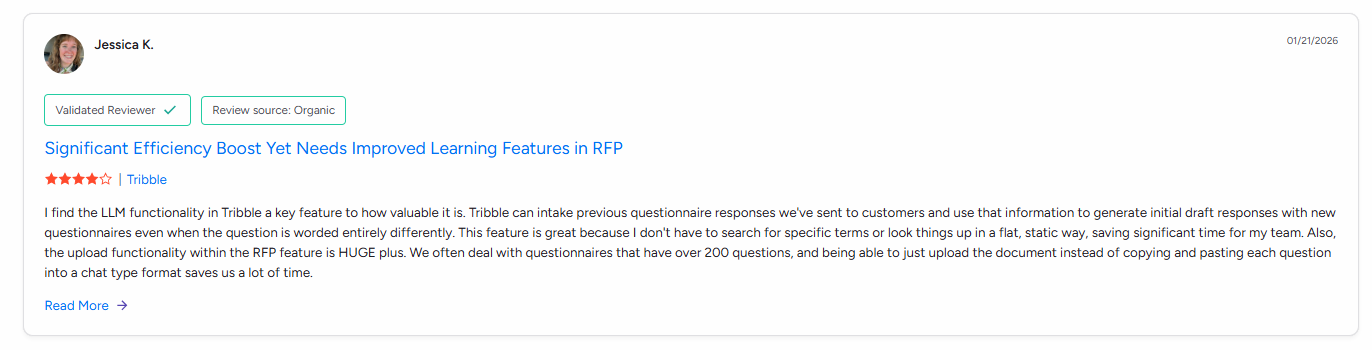
While it excels at automating basic RFP tasks and simplifying workflows, its limited features and inaccurate responses make it a less suitable option for teams requiring high-level customization and precision.
Suggested Alternative: Inventive AI
For teams seeking advanced automation, AI-driven accuracy, and customizable responses, Inventive AI offers a more robust solution that ensures higher proposal quality and faster response times.
SiftHub
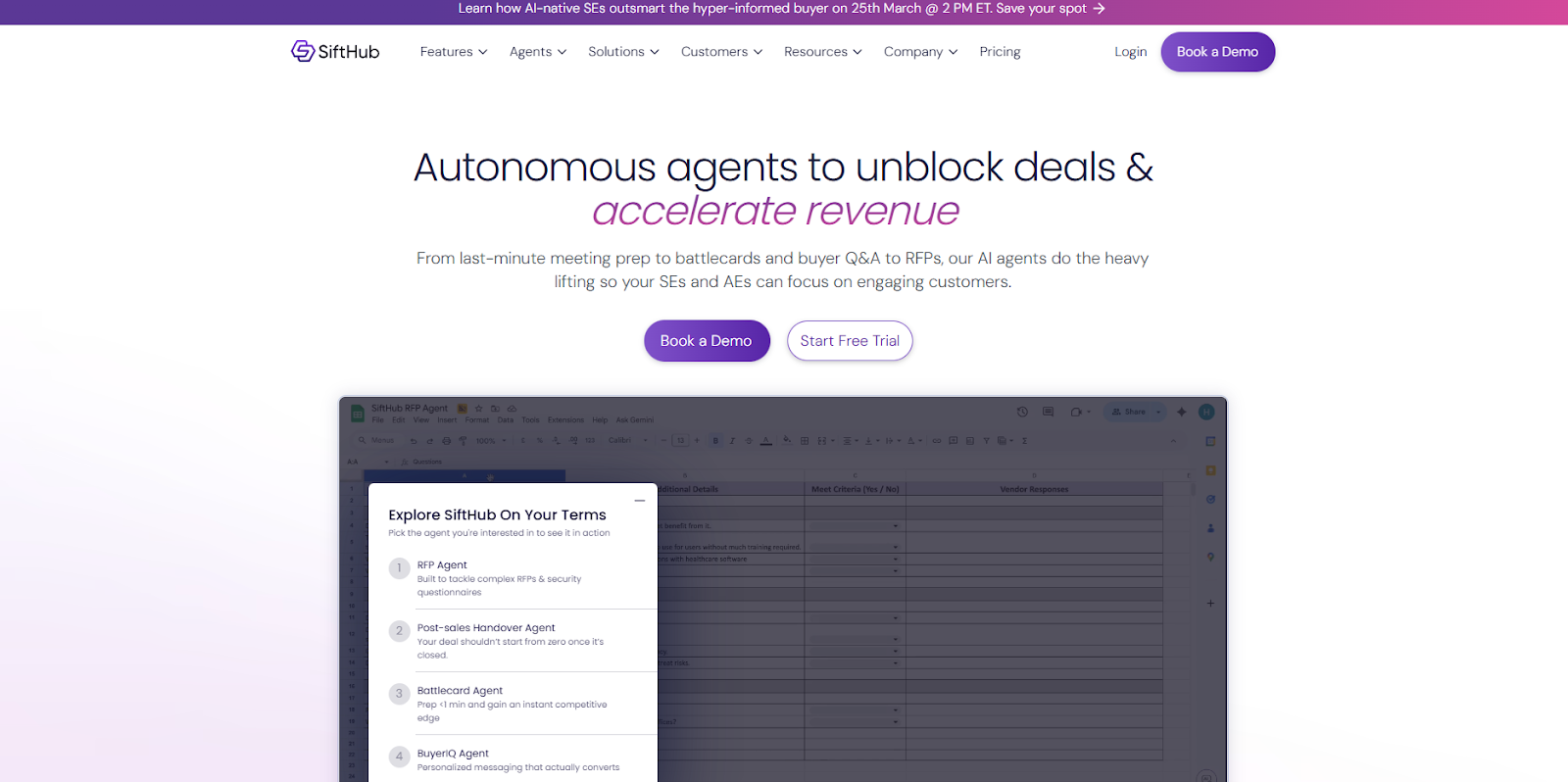
It is an RFP management platform designed to simplify the RFP process and improve efficiency. It focuses on streamlining workflows and helping teams automate the response process, allowing for quicker proposal creation and better collaboration.
Key Features
- Customizable Approval Workflows: It allows teams to set up customizable approval workflows for RFP responses. This ensures that proposals go through the necessary review and approval steps before submission, improving quality control and reducing errors in the final submission.
- Smart Repository for Quick Access: It has a smart repository that allows teams to quickly find the right content when needed. This feature helps reduce time spent searching for documents, ensuring that teams can work faster and more efficiently.
- Collaboration Features: Its collaboration tools allow team members to work together on proposals in real time. This reduces delays and ensures everyone is aligned, improving the overall quality and speed of RFP responses.
What Makes SiftHub Stand Out
- Efficiency in RFP Management: It simplifies RFP workflows, significantly reducing the time spent managing and responding to proposals. This helps teams work faster and more effectively, especially when handling multiple RFPs at once.
- Ease of Use: The platform’s user-friendly design makes it easy for teams to quickly learn how to use the system. It eliminates the need for extensive training, so teams can start using it right away without frustration.
- Time-Saving: With automated features, SiftHub allows teams to generate proposals much faster. This time-saving capability enables teams to dedicate more effort to strategic tasks rather than repetitive work.
The Limitations of SiftHub
- Inaccuracies in Responses: Sometimes, the tool generates inaccurate or incomplete responses. While it can save time, it may require additional manual adjustments to ensure that proposals meet the desired quality standards.
- AI Limitations: The AI capabilities of SiftHub are not as advanced as those found in some competitor platforms. This can result in less accurate or contextually relevant responses, which may affect the overall quality of proposals.
- Not Ideal for Complex Documents: It is not well-suited for large, complex proposals. Teams that regularly handle intricate or highly customized RFPs may find the platform lacking in features necessary to manage these types of documents efficiently.
- Scalability Issues: As businesses grow and handle more RFPs, SiftHub may struggle to scale effectively. It might not meet the increasing demands of businesses that require a more robust solution to handle high volumes of RFP responses.
Pricing
Best For
- Small businesses are looking for an easy-to-use, time-saving RFP tool.
- Teams that need basic proposal management and collaboration tools.
- Companies are seeking an affordable solution for managing RFP responses.
Ratings and Reviews
- Rating: 4.5/5
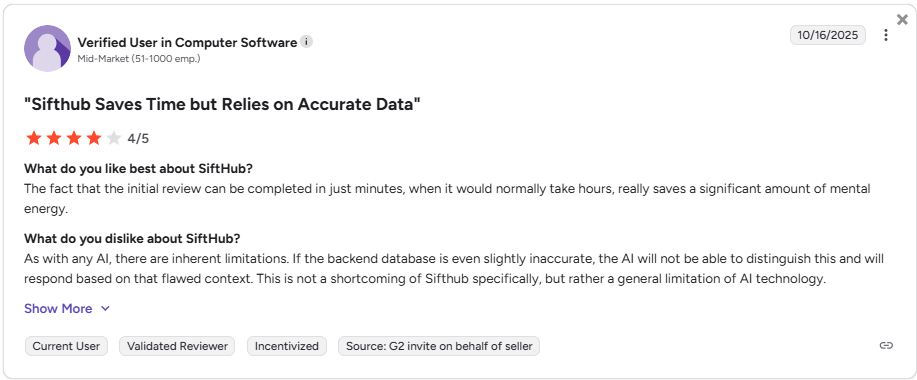
It offers great value for small teams that need a simple tool to manage RFPs, but its AI limitations and scalability issues make it less suitable for more demanding RFP processes.
When considering alternatives to Responsive, there are several options, each offering unique benefits for RFP response management. Some excel in automation, others in collaboration, or content management.
However, Inventive AI stands out as the most complete solution. It combines AI-powered automation, real-time content updates, proposal accuracy, and seamless collaboration to address every aspect of the RFP process. Whether you're a startup or enterprise, Inventive AI simplifies workflows while improving win rates and response quality.
Is Responsive Slowing You Down? 6 Reasons Teams Look for Responsive Alternatives
When it comes to RFP management, Responsive has its limitations that many teams are starting to notice. Despite its long-standing presence in the market, the tool struggles to meet the evolving demands of modern sales teams.
Let’s break down some of the key challenges Responsive presents.
1. Inaccurate Responses
One of the biggest issues vendors face is the frequent inaccuracy of generated responses. This can lead to wasted time, as teams have to manually verify and correct information, which defeats the purpose of automation in the first place.
2. Steep Learning Curve
The user interface changes and complex design updates make it difficult for teams to quickly get up to speed with the platform. What should be an intuitive experience becomes a frustrating journey of relearning and troubleshooting, slowing down productivity.
3. Non-intuitive Interface
Its interface is far from user-friendly. Its design makes it hard for users to find what they need quickly, complicating the entire experience. Navigating between tasks or documents is often cumbersome, which results in unnecessary delays.
4. AI Hallucinations
When relying on AI for proposal responses, accuracy is key. Unfortunately, it is prone to AI hallucinations, responses that are factually incorrect or irrelevant. This can damage the credibility of proposals and increase the time spent on revisions.
5. Unreliable Content Library Searches
Searching for and retrieving relevant content from its library often results in unreliable or incomplete results. Teams are forced to sift through irrelevant information, wasting precious time when they should be focused on crafting high-quality proposals.
6. Missing Key Features
It lacks important features like customizable responses and additional templates for proposal bids, limiting teams' ability to tailor their proposals effectively. This is especially problematic in industries where proposal customization is critical for winning contracts.
While it may have been a reliable tool in the past, its shortcomings in accuracy, usability, and customization are pushing vendors to seek more advanced alternatives that can better meet their needs.
Also Read: How AI in Presales is Redefining Speed, Accuracy, and Win Rates
Selecting the Best Alternative to Responsive: 8 Key Factors for Better Outcome
Before you commit to any alternative, you should know exactly what your team needs from RFP software. Your ideal solution should make your RFP process faster, more accurate, and easier to manage with less manual effort.
1. Strong AI‑Powered Automation & Response Quality
Automation should do more than fill in basic templates. Look for tools that use AI to generate accurate, relevant first drafts based on your content library and historical responses. This reduces repetitive manual work and improves overall proposal quality.
2. Centralized Content Management
A unified content repository helps every team member find the latest approved responses, boilerplate sections, and templates without digging through shared drives or emails. This improves consistency and ensures your proposals always reflect your best messaging.
3. User Experience & Ease of Use
The tool should be easy to adopt across systems with an intuitive interface that doesn’t require endless training. When your team doesn’t spend time learning complex menus or workflows, they respond faster and with fewer errors.
4. Collaboration & Workflow Support
Your RFP process often spans multiple departments. The right software should enable real‑time collaboration, task tracking, notifications, and review workflows so contributors can work together without bottlenecks.
5. Integration with Other Business Systems
RFP tools should connect with the platforms your teams already use, like CRM, cloud storage, Slack, Microsoft Teams, and knowledge repositories. Strong integration ensures data flows smoothly and saves time on manual copying and syncing.
6. Customization & Template Flexibility
Not all RFPs are the same. Tools that allow you to customize responses, create different templates for various bid types, and tweak content for specificity will help you win more deals.
7. Analytics & Reporting
Being able to track performance, such as response times, win rates, and content effectiveness, gives you the data needed to continuously improve your RFP strategy. Advanced analytics provide insights that drive smarter decisions.
8. Security & Compliance Controls
Because RFPs often involve confidential or regulated information, your software should offer security features like access control, audit trails, and compliance support that align with industry standards.
Choosing a Responsive alternative isn’t just about replacing an old tool; it’s about finding a solution that helps your team create faster, more accurate, and personalized proposals. With the right criteria, you can identify a tool that not only saves time but also improves your win rates and team efficiency.
Faster Proposals and up to 50% Higher Win Rates with Inventive AI: The Ultimate Responsive Alternative
When it comes to choosing the right RFP solution, Inventive AI stands out as the top choice for vendors looking to improve their RFP response process. Here’s why:
1. AI-Powered Efficiency
Unlike Responsive, which often requires manual input and lacks speed, Inventive AI delivers 90% faster response drafts with 95% accuracy, freeing your team from repetitive tasks and allowing them to focus on what matters most: refining high-quality proposals.
2. Centralized Knowledge Hub
One of the biggest challenges with Responsive is the scattered content library. Inventive AI, on the other hand, offers a single, organized hub where all your RFP responses, historical data, and documents are stored, making it easier for your team to access and reuse the right content quickly.
3. Smooth Collaboration
Inventive AI integrates with tools like Slack and Microsoft Teams, allowing teams to collaborate in real-time, track tasks, and update content without disruptions. This level of integration and collaboration isn’t possible with Responsive, where coordination often leads to delays and confusion.
4. Customization & Flexibility
Responsive is limited when it comes to customizable responses and templates. Inventive AI offers extensive customization options, ensuring that every proposal is tailored to the buyer’s needs while maintaining consistency in your brand’s messaging.
5. AI-Driven Win Themes
What sets Inventive AI apart is its proprietary Win Themes. This feature automatically identifies content gaps in your RFP responses, pulling the necessary information from your knowledge base to create the most compelling, complete, and competitive proposals.
6. Results That Matter
With Inventive AI, teams see a 50% higher win rate and can respond to RFPs faster than ever before. The software's ability to automate tasks and ensure proposal quality gives vendors a significant edge in securing new business.
Inventive AI offers a comprehensive, advanced solution that overcomes the limitations of Responsive, delivering faster, more accurate, and highly customized proposals, all while improving team collaboration and increasing win rates.
Frequently Asked Questions (FAQs)
1. What’s the real impact of better RFP automation on a vendor’s win rate?
Higher RFP automation translates into faster and more accurate responses. Industry reports suggest that advanced automation can reduce response times significantly and improve consistency, often resulting in measurable increases in win rates when compared to manual or semi‑automated processes.
2. Is integration with tools like Slack, CRM, or Teams necessary?
Yes. Integration with collaboration and CRM systems ensures that context, stakeholder input, and organizational knowledge are always in sync. This reduces repetitive work of manual data transfer and keeps every contributor aligned on deadlines and content updates.
3. Can I use one tool for both RFPs and security questionnaires?
Not all RFP tools handle security questionnaires well. AI-driven platforms like Inventive AI can manage both RFPs and security questionnaires efficiently, with higher accuracy and less manual effort.
4. How is Inventive AI different from Responsive?
Unlike Responsive, Inventive AI uses AI to automate the entire RFP response process, generating faster, more accurate drafts. This means your team spends less time manually drafting and more time refining proposals.

90% Faster RFPs. 50% More Wins. Watch a 2-Minute Demo.
.avif)
Mukund Kumar
Understanding that sales leaders struggle to cut through the hype of generic AI, Mukund focuses on connecting enterprises with the specialized RFP automation they actually need at Inventive AI. An IIT Jodhpur graduate with 3+ years in growth marketing, he uses data-driven strategies to help teams discover the solution to their proposal headaches and scale their revenue operations.

Hardi Hindocha
Knowing that complex B2B software often gets lost in jargon, Hardi focuses on translating the technical power of Inventive AI into clear, human stories. As a Sr. Content Writer, she turns intricate RFP workflows into practical guides, believing that the best content educates first and earns trust by helping real buyers solve real problems.